As part of the Erasmus+ project SuMoS – Strengthening the Ecosystem for Sustainable Student Mobility, partner meetings and the international student workshop “Green Thinking & Digital Action” were held from 22 to 24 September 2026 at the University of Maribor, Faculty of Organizational Sciences in Kranj, Slovenia.
The workshop brought together 27 students and 16 teachers from Serbia, Croatia, Slovakia, France and Slovenia, with the aim of developing innovative digital solutions that can contribute to raising awareness of environmental protection and sustainable development. Working in international teams, the students addressed various challenges by developing ideas, concepts and prototypes of digital solutions, while at the same time enhancing their knowledge and skills in sustainability, teamwork and the use of modern digital tools.
Representing the University of Belgrade – Faculty of Organizational Sciences, Prof. Dr Dušan Barać, FON Vice-Dean for Coorporate Affairs and Innovation, participated in the activities of the SuMoS Project Steering Committee, contributing to the further planning and coordination of project activities.
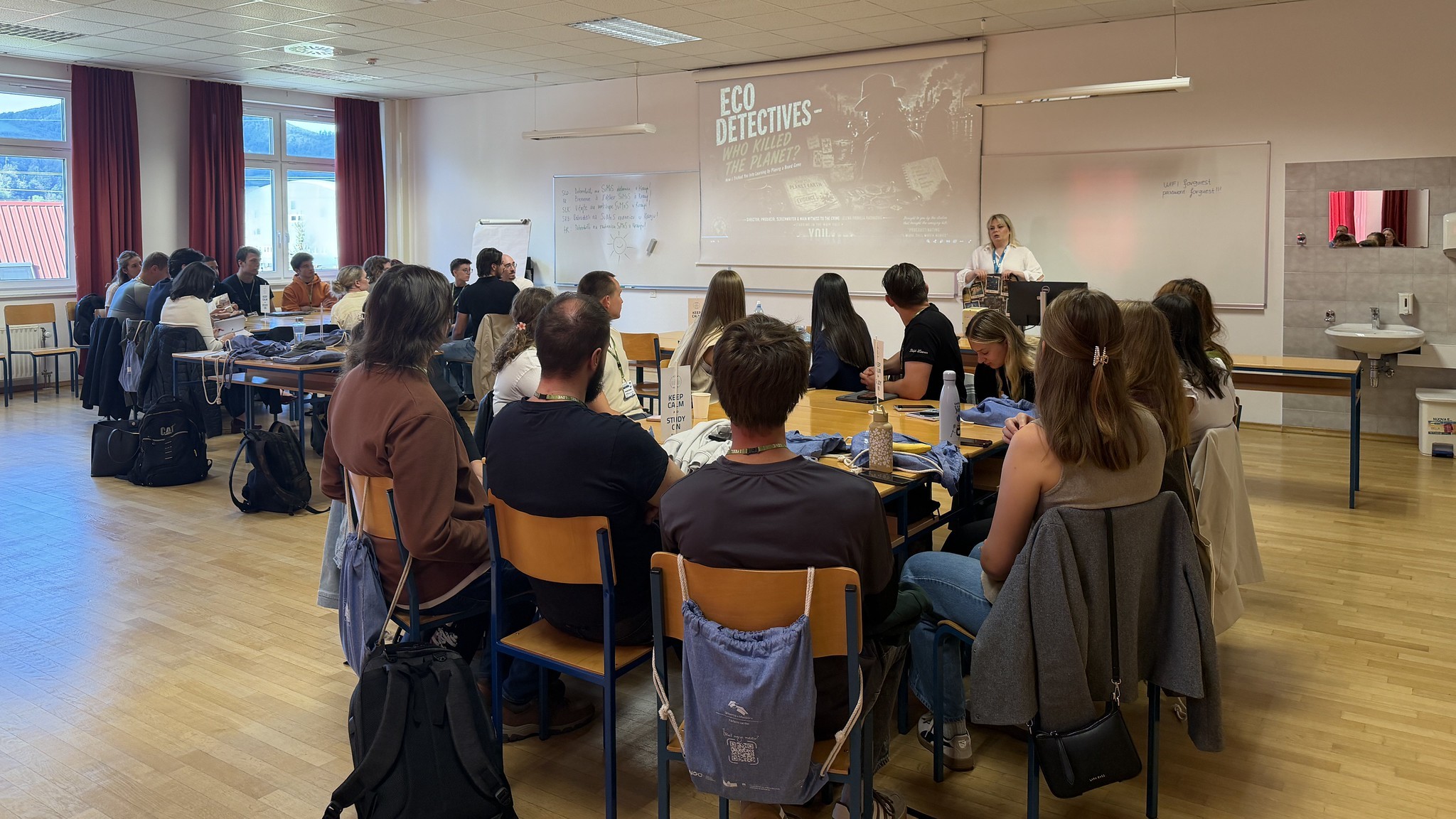
Research Associate Dr Jelena Andreja Radaković delivered a lecture entitled “Introduction to the Sustainable Development Goals”, as well as an interactive workshop “Eco Detectives”, designed to encourage students, through games, exploration and teamwork, to identify complex cause-and-effect relationships between human activities and environmental challenges.
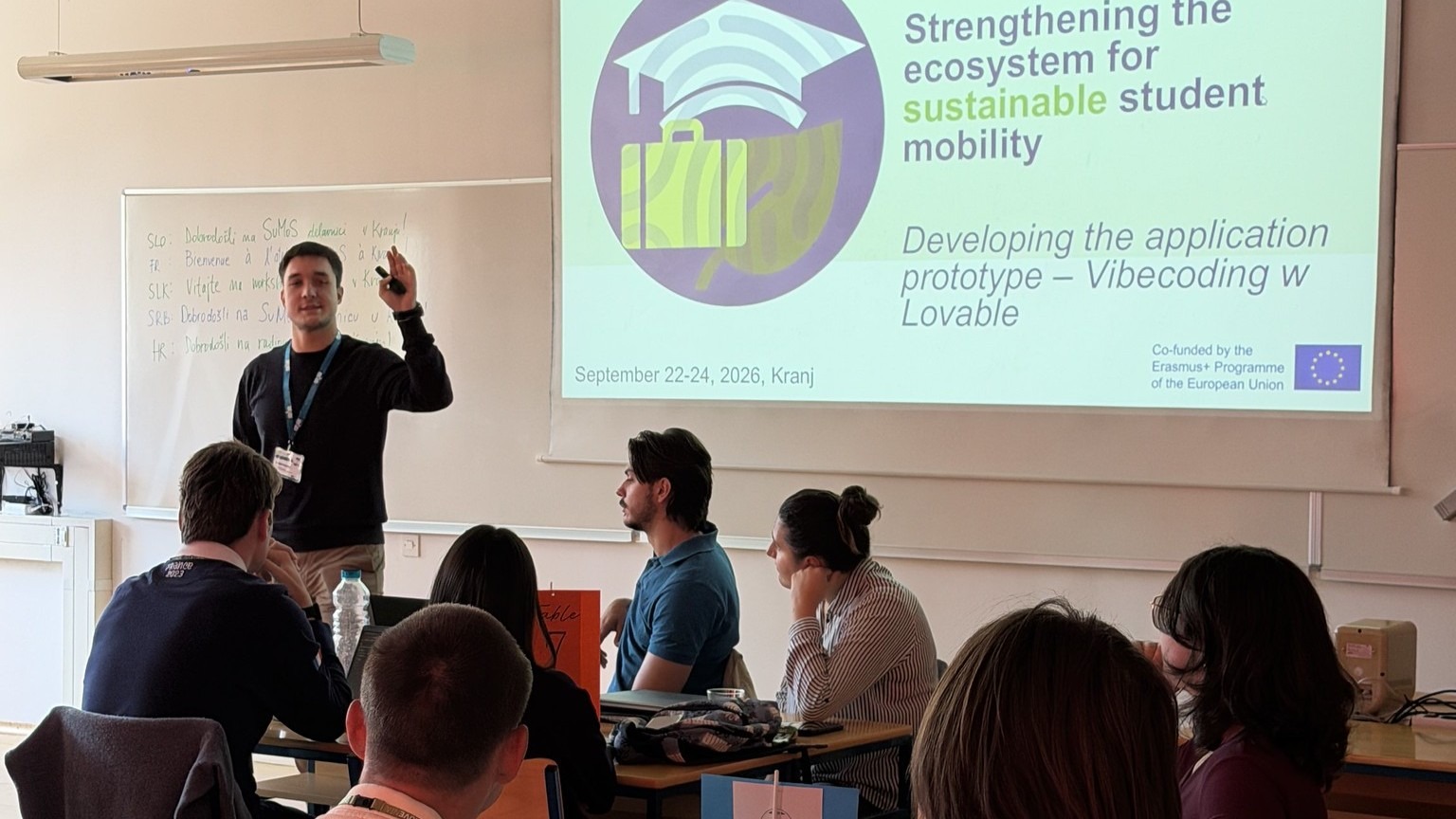
Teaching Assistant Miloš Jolović delivered a lecture and practical workshop entitled “Developing an Application Prototype Using the Lovable Tool”, during which students had the opportunity to transform their ideas into concrete digital solutions and prototypes.
FON was represented at the workshop by second-, third– and fourth-year students of the Information Systems and Technologies programme: Iva Ranković, Milena Rodić, Luka Španović, Jovan Vlajović, Milica Ilić and Teodora Erić.
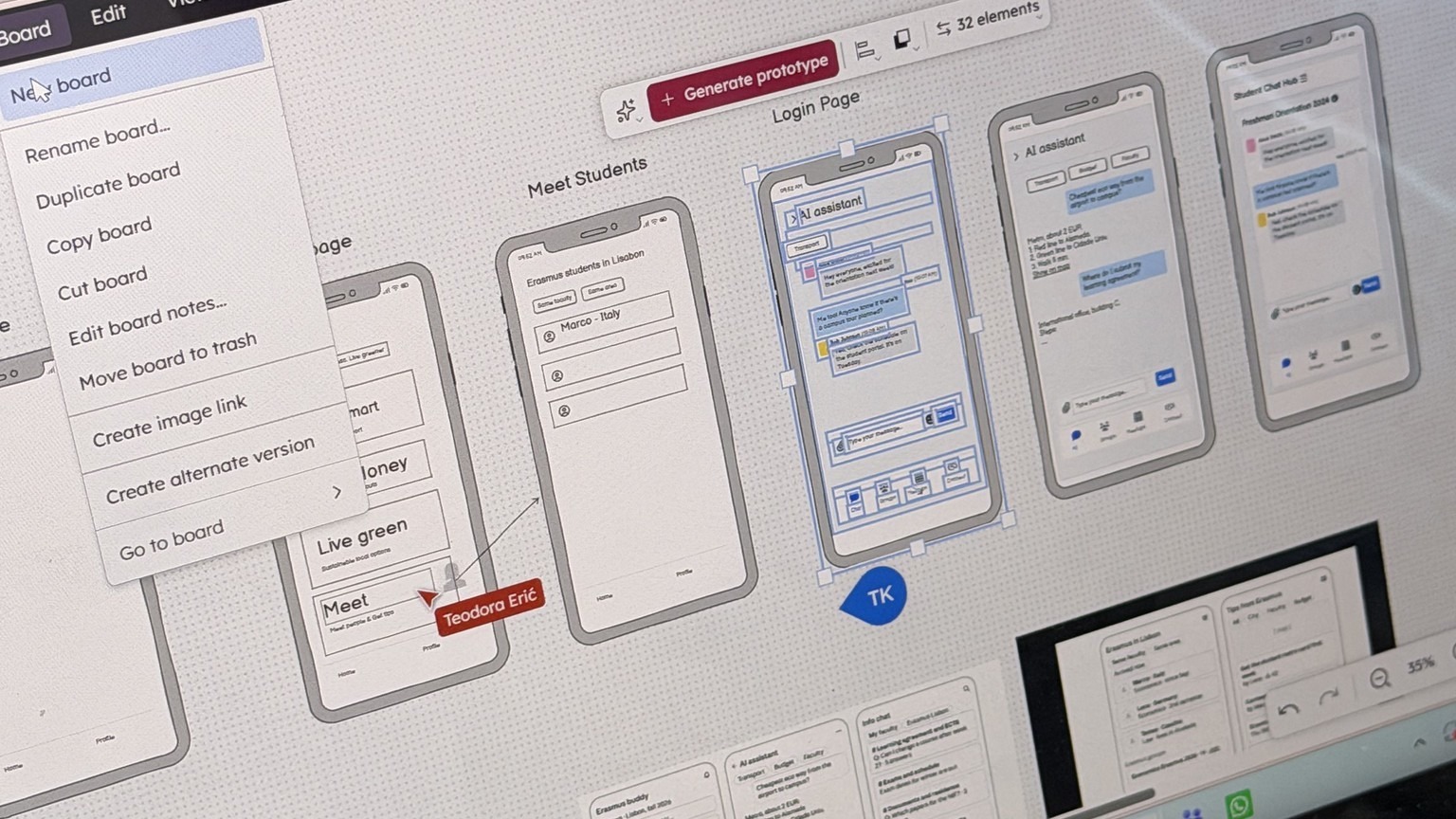
Participation in the “Green Thinking & Digital Action” workshop enabled students to explore, through international cooperation, knowledge exchange and hands-on work, how digital technologies can be used to support the development of solutions to sustainable development challenges. At the same time, the workshop contributed to strengthening cooperation among the partner institutions and developing young people’s competences for creating innovative and sustainable solutions. 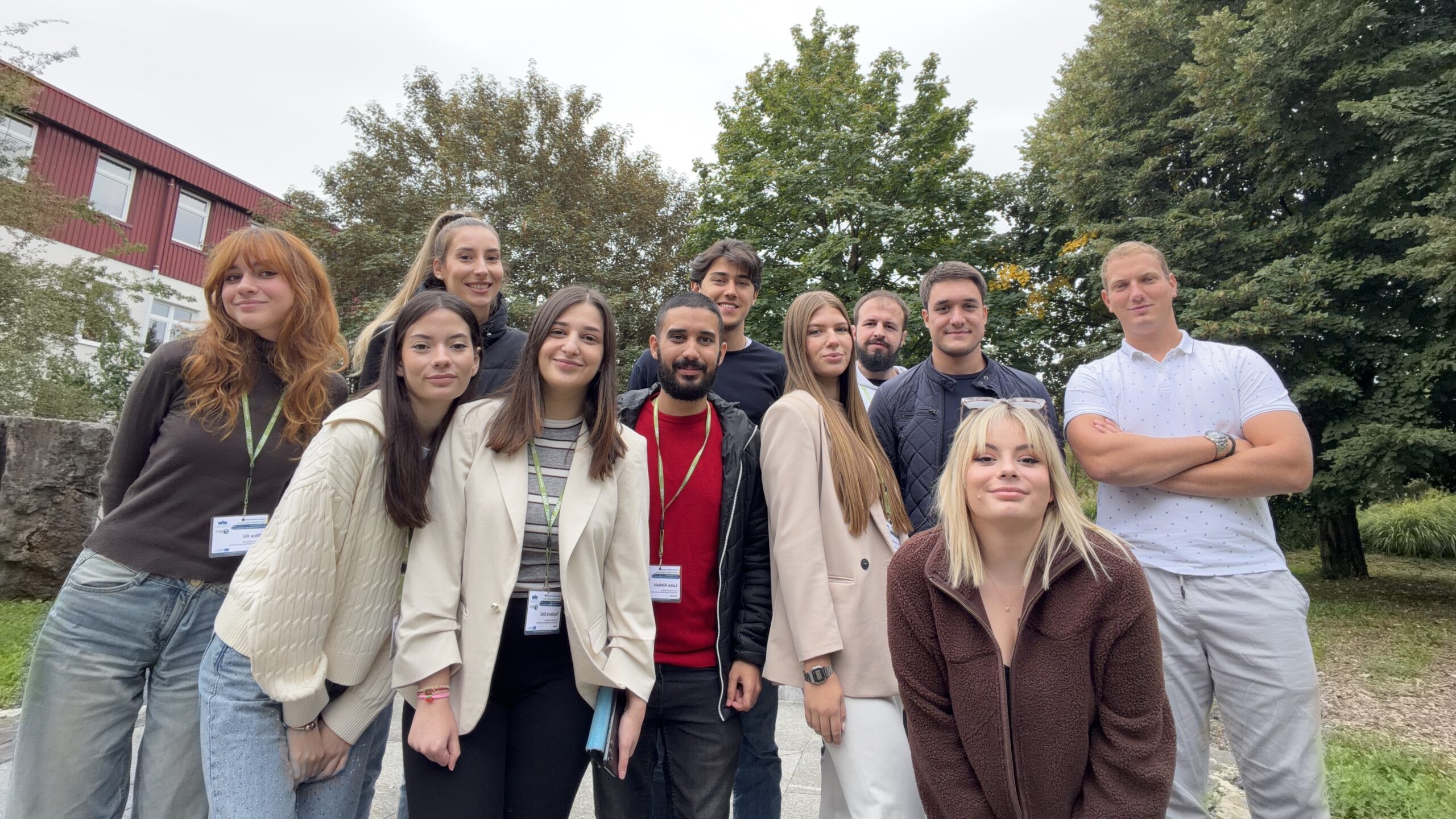
The SuMoS project focuses on strengthening the ecosystem for sustainable student mobility and developing approaches that connect mobility, digital technologies and environmentally responsible behaviour.