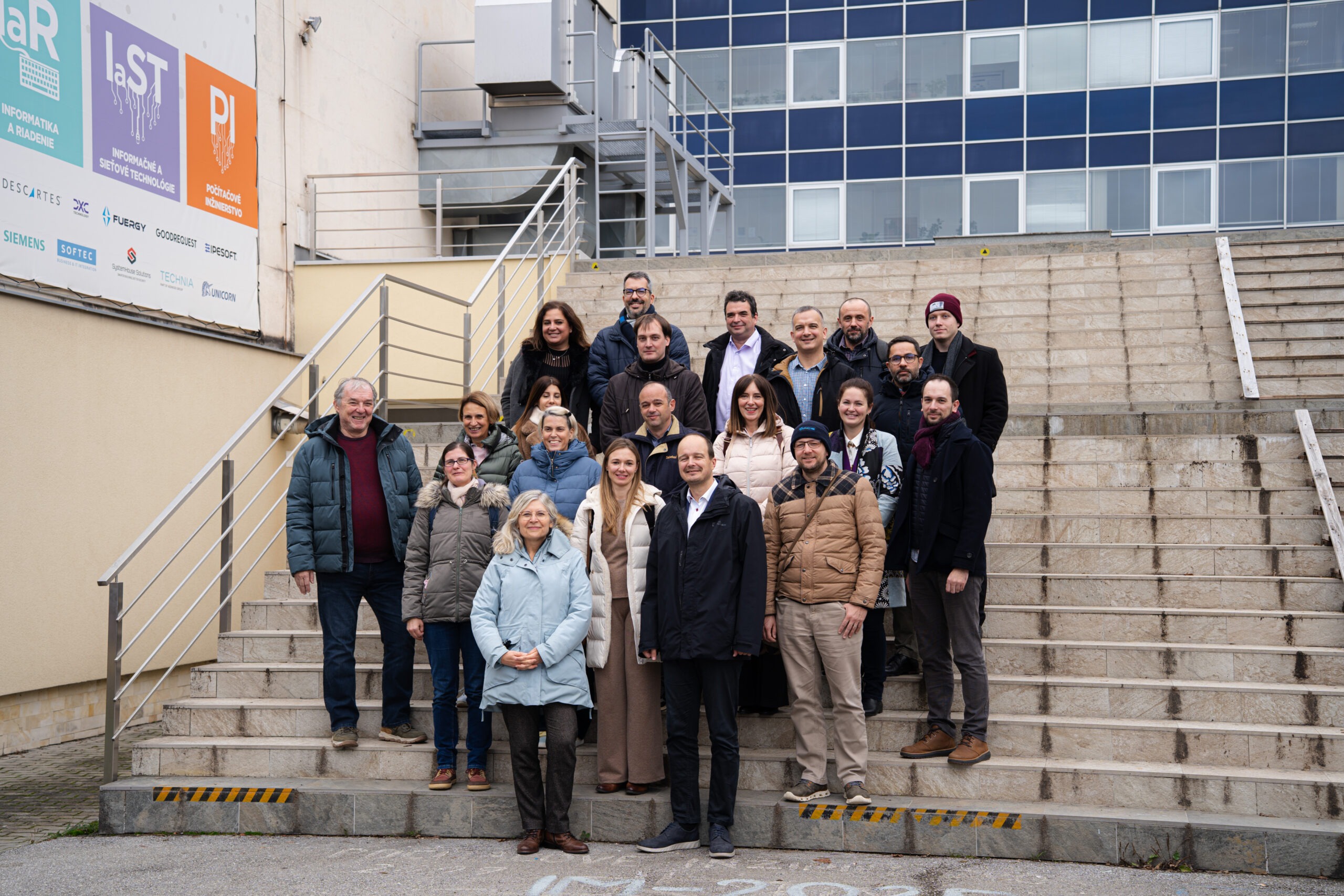
The participating institutions included the University of Zagreb – Faculty of Organization and Informatics (FOI), Varaždin, Croatia; the University of Maribor – Faculty of Organizational Sciences (FOV), Kranj, Slovenia; the University of Žilina – Faculty of Management Science and Informatics (FRI), Žilina, Slovakia; the University of Belgrade – Faculty of Organizational Sciences (FON), Belgrade, Serbia; and ESIEA Graduate School of Engineering, Paris, France. Representatives of FON were Prof. Dušan Savić and Prof. Dušan Barać, who are also the leaders of the fourth and fifth work packages of the SuMoS project, as well as Prof. Srđa Bjeladinović and Assistant Professor Sandro Radovanović.
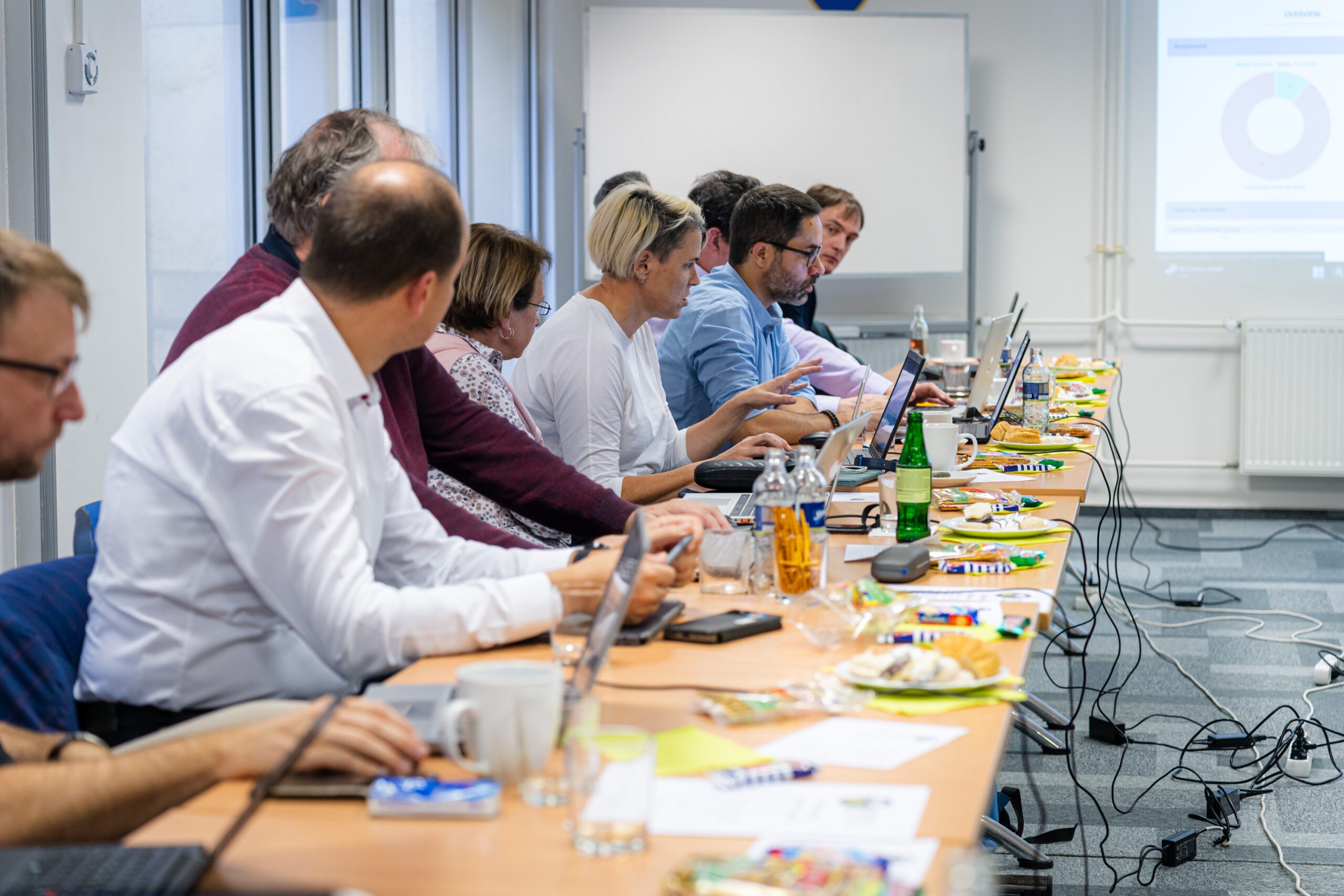
During the intensive three day workshop teachers were working on the quality of course learning design and comparison principles to enable smoother recognition of courses within student mobility. According to the mid-term evaluation of the Erasmus+ programme 2014-2020, 34% of students faced problems with the courses and other academic aspects within mobility and, according to the Erasmus Student Network to Erasmus+ 2021-2027 Implementation report, credit recognition was perceived as a blocking factor to participation in mobility by 30% of non-mobile students.
Therefore, this workshop aimed to train teachers in quality course learning design (LD) and course comparison. In the first part of the workshop, Prof. Katarina Pažur Aničić and Prof. Peter Marton presented the results of a manual course comparison based on basic descriptors, conducted prior to the workshop and involving more than 80 courses from five partner institutions. Moreover, teachers were supported in creating learning designs for their courses through active participation in the Learning Design in the AI-era, and using the Balanced Design Planning tool (BDP) resulting from previous Erasmus+ projects (Rapide and iLED). The second part of the workshop continued with activities dedicated to the quality aspects of learning design, led by Prof. Blaženka Divjak. Participants first engaged in a discussion on learning design quality criteria, after which they worked in parallel focus groups addressing three key themes: a priori and a posteriori evaluation of LD quality, course comparison criteria, and functionalities of the BDP tool to support course comparison in student mobility.
The workshop results serve as a basis for further project activities—establishing principles for course comparison and learning design quality criteria, followed by upgrading the LD tool to support processes for course comparison within student mobility.
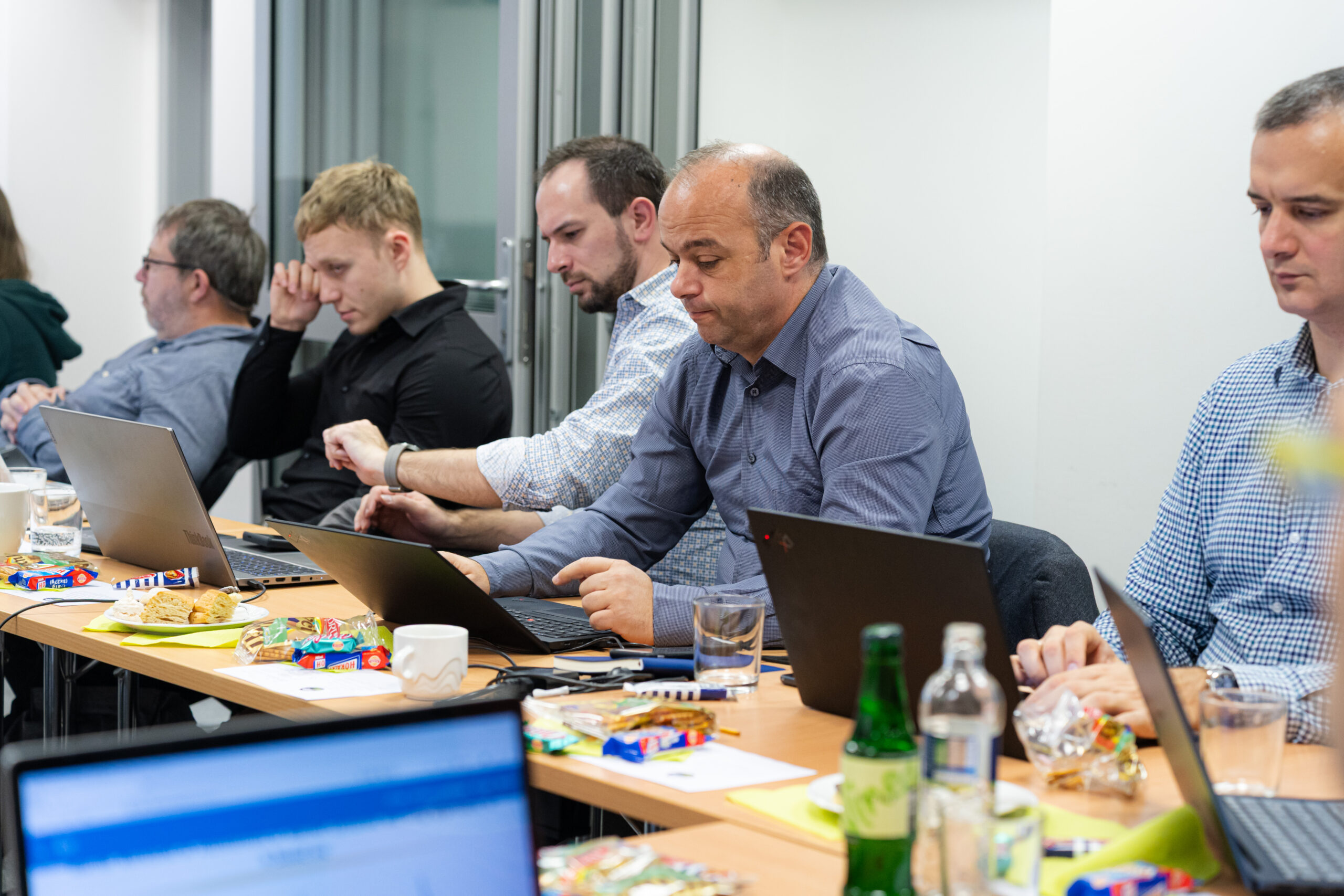
Along with the workshop, Project Management Board Meeting took place.